
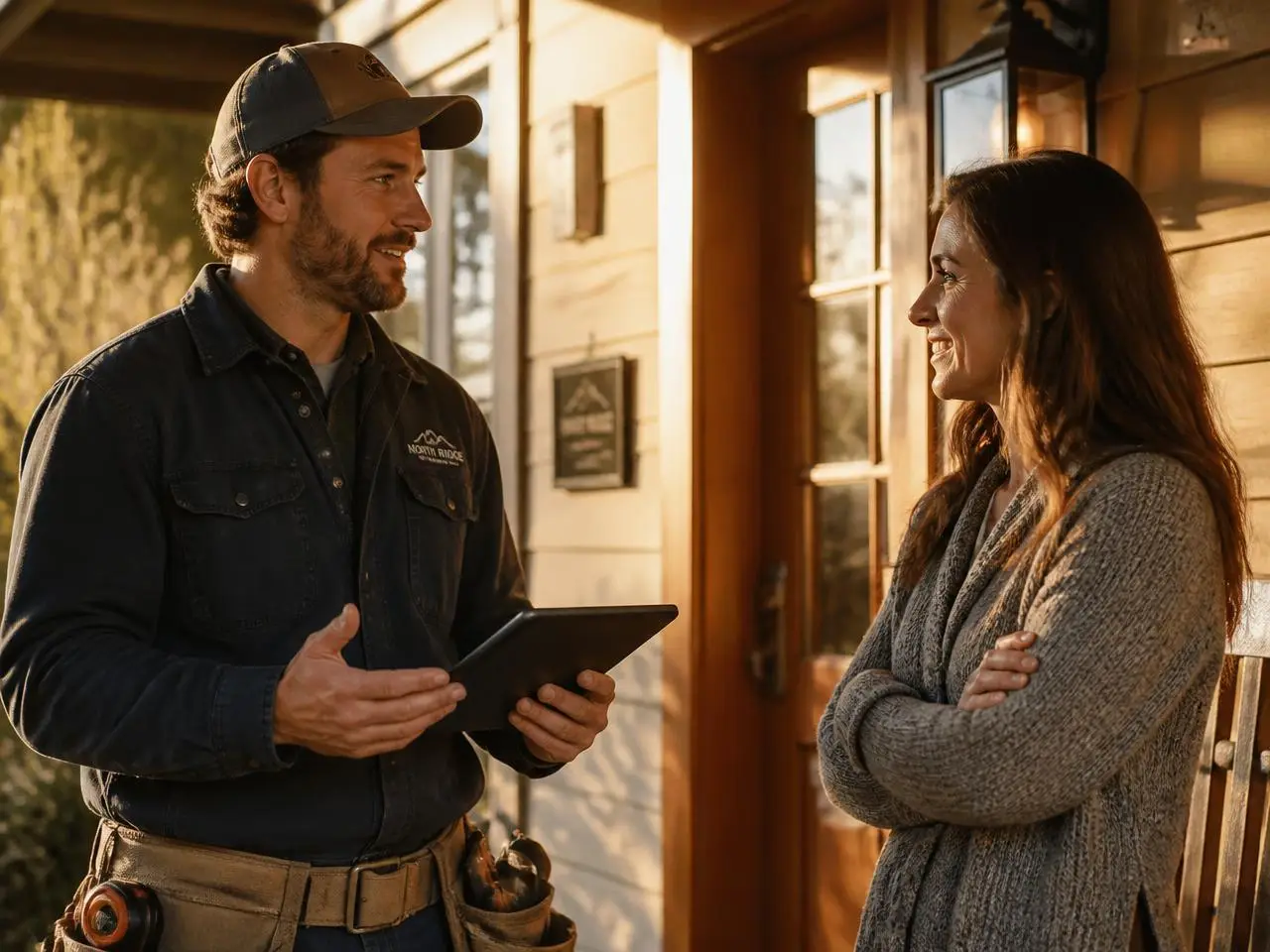
Protect your centennial company’s local SEO by maintaining consistent business information, optimizing location pages, and integrating your heritage into digital storytelling.
To protect your centennial company’s local SEO, you’ll need to maintain consistent business information across all online platforms while preserving your historic legacy.
Start by auditing and updating your NAP (name, address, phone) data, leveraging customer reviews that span generations, and optimizing location pages with both current and historical context.
Don’t forget to integrate your rich heritage into digital storytelling efforts. Your century of success deserves the strongest possible online presence.
Key Highlights
- Maintain consistent NAP (Name, Address, Phone) information across all digital platforms to prevent search engines from encountering conflicting business data.
- Document and properly cite historical location changes, mergers, or renovations to avoid confusion in local search rankings.
- Create individual location pages for each historic site with unique content and accurate current operating information.
- Regularly update and monitor online business listings, especially after any physical moves or company rebranding efforts.
- Implement proper schema markup on websites to clearly communicate business history, multiple locations, and current operational details.
Modernizing Legacy Business Information for Digital Accuracy
While many established businesses have operated for decades with the same contact details and physical presence, outdated or inconsistent information across digital platforms can severely impact local SEO performance. You’ll need to conduct a thorough audit of your business information across all online citations and update any discrepancies immediately.
Start by reviewing your company’s details in every major business directory, ensuring your name, address, phone number, and website URL are identical everywhere they appear. If you’ve moved locations, changed phone numbers, or rebranded over the years, make sure these changes are reflected consistently online. Pay special attention to former business names or addresses that might still exist in old directories.
Create a master document with your current, accurate business information and systematically update every digital listing. This prevents search engines from encountering conflicting data that could harm your local search rankings.
Leveraging Historical Reputation in Online Reviews Management
Many established businesses have built strong reputations over years of operation, and this legacy of trust can become a powerful asset in your online review strategy. You can capitalize on your company’s longstanding history by incorporating historical achievements and milestones into your review response strategies.
When addressing customer feedback, highlight your business’s proven track record and demonstrate how current practices align with your traditional values. Your reputation-building techniques should emphasize the evolution of your service quality while maintaining the core principles that have sustained your success. Encourage satisfied long-term customers to share their experiences, as their testimonials can bridge the gap between your historic reputation and modern digital presence.
Don’t forget to regularly update your online profiles with awards, certifications, and community contributions that span your company’s history. This approach helps new customers understand the depth of your expertise and reinforces trust in your established brand.
Optimizing Multi-Location Data for Century-Old Establishments
For century-old businesses operating across multiple locations, maintaining accurate location data presents unique challenges that newer establishments don’t face. Your historic addresses might have changed street names, building numbers, or even postal codes over decades of operation, creating confusion in local citation databases.
To optimize your multi-location data, start by creating individual location pages for each historic site. You’ll need to document both current and previous addresses, making sure search engines can connect your business’s legacy to its present-day locations. Cross-reference your data with historical records, city directories, and archived documents to verify accuracy.
When updating your location information, pay special attention to any merger history, building renovations, or relocations that might affect your local SEO. Maintain a clear timeline of address changes and make certain your current local citation information aligns with modern mapping systems while preserving historical connections that validate your century-old status.
Balancing Traditional Values With Modern SEO Practices
Building on your business’s historic foundation doesn’t mean you can’t embrace modern SEO strategies. You can maintain your company’s traditional values while adapting to current digital marketing needs through thoughtful heritage marketing that resonates with both loyal and new customers.
Start by integrating your establishment’s rich history into your digital storytelling efforts. Create compelling content that showcases your legacy through historical photographs, customer testimonials spanning decades, and milestone achievements. Then, optimize these stories with relevant keywords and meta descriptions that capture both your heritage and contemporary offerings.
Consider developing location-specific landing pages that highlight your longstanding community connections while incorporating modern SEO elements. You’ll want to balance authentic, traditional branding with current best practices like mobile optimization, fast loading speeds, and structured data markup. This approach guarantees you’re preserving your legacy while making your business discoverable to today’s digital-savvy consumers.
Building Local Digital Authority While Preserving Heritage
While establishing digital authority requires modern tactics, you can still honor your business’s heritage through strategic local SEO. Start by incorporating your company’s historical milestones into your digital storytelling, showcasing how your business has evolved while maintaining its core values.
Create location-specific content that connects your heritage preservation efforts with community involvement. You’ll want to highlight historical photographs, testimonials from long-time customers, and archived documents on your website while optimizing them with relevant local keywords. Consider developing a dedicated “Our Heritage” page that features interactive timelines and memorable stories about your business’s role in the community.
Don’t forget to leverage social media platforms to share your historical content, tagging local historical societies and community organizations. This approach helps build authentic backlinks while demonstrating your commitment to both tradition and digital innovation, strengthening your local SEO presence without compromising your legacy.
In Summary
Just as a 100-year-old oak tree needs careful pruning to stay healthy while maintaining its historic roots, your centennial company must thoughtfully adapt its local SEO strategy. You’ll thrive by embracing digital best practices while honoring your legacy.
Remember, 82% of century-old businesses that successfully modernized their local search presence saw increased foot traffic within six months. Your history isn’t a barrier—it’s a foundation for digital growth.
About the author
Bradley Johnson is a seasoned SEO strategist who has helped Colorado businesses translate analytics into higher local search rankings. His background in paid search and web design gives him a practical perspective on turning data into actionable profile improvements.